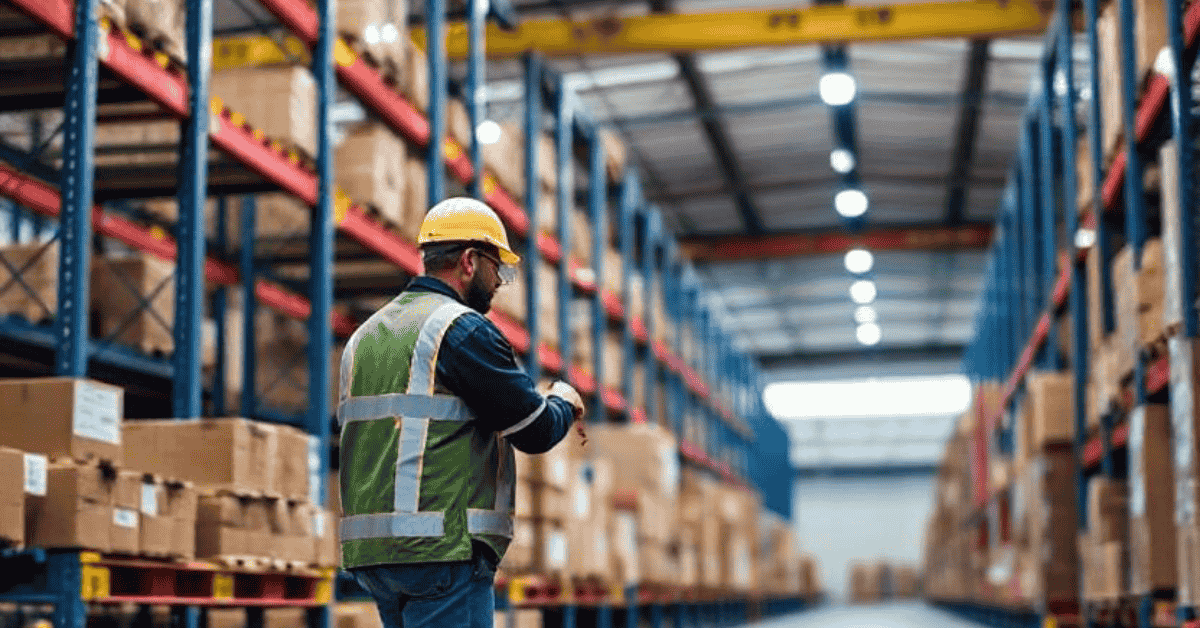
Supply chains connect businesses with suppliers and keep products moving worldwide. But with so many links involved, even small disruptions can create big challenges. Managing them well means balancing efficiency, flexibility, and cost.
This blog explains what global supply chain management is, why it matters, and how to make it work better for your business.
What is Global Supply Chain Management?
Managing global supply chains means overseeing every step of a product’s journey, from raw materials to final delivery. It involves planning, sourcing, manufacturing, and distribution across multiple countries, ensuring smooth coordination among suppliers, manufacturers, and retailers.
Traditionally, a global supply chain consists of four stages:
- Supplier
- Manufacturer
- Retailer
- Consumer
Modern businesses, however, go beyond these steps by utilizing technology, real-time data, and predictive analytics to stay efficient.
How to Simplify Global Supply Chain Management
Managing global supply chains is challenging, but with the right product strategies, companies can improve flexibility and resilience. Here are 4 practical steps to improve your supply chain:
1. Develop Accurate Forecasting Plans
Forecasting demand is one of the most critical aspects of supply chain management. Companies that fail to predict demand accurately often face problems like excess inventory or product shortages.
To avoid this, businesses need to rely on historical data and current market trends to estimate future demand. They should also consider external factors such as seasonal fluctuations or unexpected events that can influence consumer behavior. Creating backup plans for sudden disruptions ensures that the company can respond quickly without losing time or revenue.
2. Utilize Blockchain Technology
Blockchain technology has changed the way businesses handle supply chain operations. By offering a secure and transparent record of every transaction and movement, blockchain makes it easier to track products throughout their journey. This level of visibility reduces the risk of fraud and ensures that all stakeholders, from suppliers to end customers, have access to accurate information.
The technology also streamlines compliance and auditing, creating a more trustworthy and efficient system for global operations.
3. Focus on Sustainability
Sustainability isn’t just good for the planet, it’s good for business. Customers now prefer brands that prioritize eco-friendly practices, and regulations are pushing companies in that direction.
You can make your supply chain more sustainable by:
- Switching to recyclable or biodegradable packaging.
- Optimizing transport routes to cut fuel use and pollution.
- Reducing energy consumption in warehouses and production facilities.
Beyond reducing costs in the long run, these steps improve your brand reputation and help future-proof your operations.
4. Implement AI and Automation
Modern supply chains handle massive amounts of data, and manual processes can’t keep up. This is where AI and automation come in.
Benefits include:
- Smarter planning: AI analyzes patterns and predicts future demand with better accuracy.
- Error reduction: Automation handles repetitive tasks, reducing human mistakes.
- Faster operations: Robotic systems speed up warehouse management, packaging, and even delivery planning.
Together, these technologies make your supply chain more responsive and cost-efficient while freeing up your team to focus on strategic decisions.
Why Global Supply Chain Management Matters
Strong global supply chain management delivers multiple benefits. It’s not just about moving goods, it’s about building resilience, improving performance, and reducing costs. Here are some key advantages:
1. Improved Operational Efficiency
Using advanced systems, businesses can monitor inventory, track orders, and plan material sourcing effectively. This minimizes delays and ensures customers get what they need when they need it.
2. Access to Real-Time Data
Demand fluctuations are a constant challenge. Real-time data helps companies predict demand accurately, reducing the risk of overstocking or shortages.
3. Risk Management and Resilience
Disruptions, whether from natural disasters, political issues, or economic downturns, are unavoidable. Advanced risk management systems and IoT devices help companies anticipate problems and create backup plans.
4. Better Transparency and Visibility
Technologies like Blockchain and IoT make supply chains more transparent. This builds trust, reduces errors, and ensures accountability across all stages of the process.
5. Cost Optimization
Accurate forecasting and automation reduce overhead expenses. Companies can avoid unnecessary storage costs, speed up order fulfillment, and improve margins.
6. Higher Returns on Investment (ROI)
When everything runs efficiently, transport, inventory, demand planning, profits increase. Digital solutions also enable faster invoicing and payments, boosting cash flow.
Conclusion
Managing global supply chains is no longer optional, it’s a critical factor in business success. Companies that utilize technology, improve visibility, and apply sustainable practices will stay competitive in a dynamic marketplace.
By using smart forecasting, advanced tools, and modern strategies, you can overcome challenges, reduce risks, and achieve long-term growth. The future of supply chain sourcing lies in innovation, flexibility, and transparency.
FAQs
1. What are the biggest risks in managing global supply chains today?
The main risks include political instability, natural disasters, cybersecurity threats, and sudden shifts in consumer demand. Companies also face challenges with compliance regulations and rising transportation costs.
2. How does technology improve global supply chain efficiency?
Technology helps businesses track shipments in real time, automate repetitive tasks, and forecast demand accurately. Tools like AI, IoT, and blockchain provide visibility, reduce errors, and improve decision-making across the supply chain.
3. Why is visibility important in a global supply chain?
Visibility ensures that every stakeholder knows where products are at all times. It reduces delays, improves trust between partners, and helps businesses respond quickly to disruptions.
4. How can businesses make their supply chains more resilient?
Resilience comes from having flexible sourcing options, strong supplier relationships, and data-driven forecasting. Companies should also adopt digital solutions to predict risks and adapt quickly to market changes.