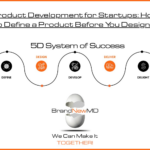
Building a product from the start can be exciting—but also challenging. For beginners, product development is where the big idea starts turning into something real. But it’s not only about making something new. It’s all about building something people actually want, need, and are willing to pay for at the end of the day.
If you don’t plan it fully, certain things can definitely get expensive, stressful, and slow. But with the right steps—and a bit of common sense—startups can avoid most of the usual mistakes and launch with way more confidence.
Start With the Basics: What Are You Really Building?
Before you jump into designs or start sketching up features, take a step back. What problem are you solving? Who is this for? And are people already spending money on something like this?
A lot of startups compromise with this part and jump straight into development. That’s how you end up with a “cool” product nobody actually needs. Keep it simple: solve a real problem, and build around that.
Do the Research Before You Build Anything
Having a cool idea doesn’t mean it’ll sell. You will need proof that people should actually want it, and that starts with a basic research process at the end.
Check what’s trending and look at what competitors are doing (and what they’re missing). That info will help you figure out what features matter, what to cut, and where you can stand out. You’ll also have a much easier time getting investors or partners on board if you’ve got data to back it up.
Turn Your Idea Into Something Real
Ideas may feel extremely exciting and great, but they don’t mean much until you turn them into something people can see and touch. That means putting together early designs—sketches, easy goings , wireframes—whatever helps turn the idea into a plan.
This stage is where you map out what the product’s appearance is like, how it works, and what it needs to do. It also helps you and your team stay aligned on what you’re actually building.
Prototypes Save You Time, Money, and Regret
A prototype doesn’t have to be fancy—it just has to work well so that it can be tested in the market. You want something that shows how the product functions so you can spot problems before you spend real money on production
Whether it’s a physical sample or a yet at the working version of an application, building a prototype can be helpful because you can figure out what needs fixing—and fast. It also gives potential investors or business partners something real to look at, which makes your pitch way much stronger.
Get Real Feedback From Real People
Internal testing may feel fine, but it only elaborates once you do what you think. To actually really know if your product is the perfect fit for the market, you need feedback from people who weren’t part of building it.
That might mean setting up a beta group, doing user interviews, or running quick surveys. Watch how people use your product. What confuses them? What do they love? What’s missing? That kind of feedback helps you make smart changes before launch—not after things fall apart.
Watch Your Budget—It Goes Fast
One of the biggest struggles for startups? Money. Product development eats into your budget fast, especially when you’re juggling design, prototypes, testing, marketing, and more.
Instead of blowing all the things at once in a certain way, you can break your budget into smaller chunks. Set certain milestones, keep tracking your spending, and make sure that you leave some room for the unexpected costs. Look for a type of the tools that don’t cost a fortune and don’t be afraid to outsource certain tasks if it saves time and money.
Your Team Can Make or Break the Product
Even if you’ve got a solid idea, the wrong team will slow you down. You need people who actually care about the product—and know how to build it, improve it, and get it to market.
That doesn’t mean hiring a huge staff. But your designer, developer, marketer, and product lead need to be on the same page. Clear roles, open communication, and people who can roll with changes make everything smoother.
Launch Is Just the Start—Be Ready to Scale
Launching or realising your product can surely be a big deal—but that is not the finish line always. You still have to be aware of the need to figure out how to deliver, support, and make it better once customers start using it.
That means having a marketing plan, customer support system, and logistics ready to go. And once you’re live, keep an eye on how the product performs. What’s selling? What’s breaking? Where are people getting stuck?
Startups that plan ahead for growth have a much better shot at scaling without being stressed out.
How Brand New MD Can Help?
If you’re feeling stretched thin, Brand New MD is one of those partners that can make product development way less overwhelming. They help startups find trusted suppliers, reduce sourcing costs, and get products made without the usual back-and-forth. Whether you’re launching something new or improving what you’ve already got, they help simplify the process so you can focus on building the business.
Conclusion
Product development is not only about building stuff—it’s about solving real problems, listening to your users and customers, and staying flexible when things don’t go as you thought at first. Startups that slow down and do things right research, feedback, smart budgeting, solid teamwork are way more likely to launch something that lasts. Make sure to look for quality and take each part seriously. It pays off later, big time.
FAQs
1. What Is Product Development for Startups?
A: It’s how you take an idea and turn it into something real—starting with research and ending with a product people can buy.
2. Why Is Product Development Such a Big Deal for Startups?
A: Because it helps you avoid wasting money on something no one wants. A development process helps you build the right product, not just any product.
3. How Long Does Product Development Usually Take?
A: It depends on what you’re making. Some products take a few months, others take a year or more. Budget, team size, and testing all affect the timeline.
4. What Do Startups Struggle With During Product Development?
A: The biggest challenges are unclear goals, limited funding, and products people don’t need, plus finding the right market and scaling after launch.